Affordable Housing Solutions for Harrisburg Residents in Need
- Robert Endrikat President
- Nov 14
- 4 min read

Finding affordable housing is a pressing issue for many residents in Harrisburg. With rising costs and stagnant wages, the struggle to secure a stable living environment is more challenging than ever. This blog post explores various affordable housing solutions available to residents in Harrisburg, providing practical information and resources to help those in need.
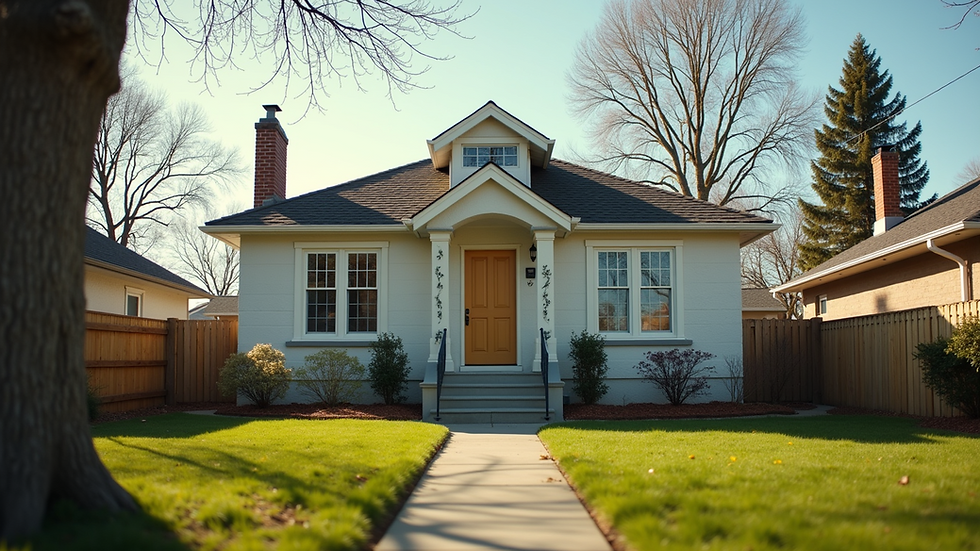
Understanding the Affordable Housing Crisis
The affordable housing crisis in Harrisburg is not unique; it reflects a national trend where many families are spending more than 30% of their income on housing. According to the U.S. Department of Housing and Urban Development (HUD), this percentage is a common benchmark for determining housing affordability. When families exceed this threshold, they often face difficult choices, such as sacrificing other essential needs like food, healthcare, and education.
Key Statistics
Rising Rent Prices: In recent years, rental prices in Harrisburg have increased by over 10%, making it difficult for low- and moderate-income families to find suitable housing.
Income Disparity: The median household income in Harrisburg is approximately $45,000, while the average rent for a two-bedroom apartment hovers around $1,200.
Homelessness Rates: The city has seen a rise in homelessness, with local shelters reporting full capacity during peak seasons.
Local Government Initiatives
The Harrisburg city government has recognized the need for affordable housing solutions and has implemented several initiatives aimed at addressing this crisis.
Housing Trust Fund
The Harrisburg Housing Trust Fund is designed to provide financial assistance for the development and preservation of affordable housing. This fund supports projects that create new affordable units and rehabilitate existing ones.
Inclusionary Zoning
Inclusionary zoning policies require developers to include a certain percentage of affordable units in new residential developments. This approach ensures that as the city grows, it remains accessible to all income levels.
Rental Assistance Programs
The city offers various rental assistance programs aimed at helping low-income families cover their housing costs. These programs often provide vouchers that can be used to subsidize rent in private housing.
Nonprofit Organizations Making a Difference
Several nonprofit organizations in Harrisburg are dedicated to addressing the affordable housing crisis. These organizations provide resources, support, and advocacy for residents in need.
Habitat for Humanity of the Capital Region
Habitat for Humanity is a well-known nonprofit that helps families build and purchase affordable homes. In Harrisburg, they focus on providing low-interest mortgages and sweat equity opportunities, allowing families to invest in their homes while keeping costs manageable.
The Salvation Army
The Salvation Army offers various housing programs, including emergency shelter and transitional housing. They also provide case management services to help families secure permanent housing solutions.
Community Action Commission
The Community Action Commission provides resources for low-income families, including housing counseling and financial literacy programs. Their goal is to empower residents to make informed decisions about their housing options.
Creative Housing Solutions
In addition to traditional housing options, innovative solutions are emerging to address the affordable housing crisis in Harrisburg.
Tiny Homes
Tiny homes have gained popularity as an affordable housing solution. These compact living spaces offer a lower-cost alternative for individuals and families looking to downsize or simplify their living arrangements. Harrisburg has seen a rise in tiny home communities, providing residents with affordable options in a supportive environment.
Co-Housing Communities
Co-housing communities are another innovative solution. These intentional communities allow residents to share resources and responsibilities, reducing individual housing costs. By pooling resources, residents can create a supportive network while enjoying affordable living arrangements.
Accessory Dwelling Units (ADUs)
Accessory dwelling units, or ADUs, are secondary housing units located on the same property as a primary residence. These units can be rented out to provide additional income for homeowners while offering affordable housing options for renters. Harrisburg has begun to explore zoning changes to encourage the development of ADUs.
Resources for Residents in Need
For residents seeking affordable housing solutions, several resources are available to help navigate the process.
Housing Counseling Services
Housing counseling services provide valuable information and support for individuals and families seeking affordable housing. These services can help residents understand their options, apply for assistance programs, and connect with local resources.
Online Housing Platforms
Websites like Zillow, Craigslist, and local listings can help residents find affordable rental options. Filtering searches by price range and location can yield results that fit within a budget.
Local Housing Authorities
The Harrisburg Housing Authority is a key resource for residents seeking affordable housing. They administer public housing programs and can provide information on available units and application processes.
Community Engagement and Advocacy
Community engagement plays a crucial role in addressing the affordable housing crisis. Residents can take action by advocating for policies that support affordable housing initiatives and participating in local meetings to voice their concerns.
Joining Local Advocacy Groups
Joining local advocacy groups can amplify residents' voices and influence housing policy decisions. Organizations like the Pennsylvania Housing Alliance work to promote affordable housing initiatives at the state level.
Participating in City Council Meetings
Attending city council meetings allows residents to stay informed about housing policies and express their opinions. Engaging with local leaders can lead to meaningful changes in housing initiatives.
Conclusion
The affordable housing crisis in Harrisburg is a complex issue that requires a multifaceted approach. By leveraging local government initiatives, nonprofit organizations, and innovative housing solutions, residents can find the support they need. It is essential for individuals to stay informed about available resources and engage with their community to advocate for lasting change.
As Harrisburg continues to evolve, the commitment to affordable housing must remain a priority, ensuring that all residents have access to safe and stable living environments. If you or someone you know is struggling with housing costs, take the first step by exploring the resources mentioned in this post. Together, we can work towards a more inclusive and affordable future for all Harrisburg residents.

Comments